IT CHALLENGES?

LET’S SOLVE THEM TOGETHER

Odysse.io software house delivers professional IT services, from web development to custom software, ensuring your goals are met with precision.

Venture Into Our Projects
Want to know more?

About Us?

Learn More
Uncover our

Expertise

About Us Featured
Featured

Projects

Bizky

Bizky approached us to enhance their website with updates, optimization, and new features while maintaining security and supporting their evolving needs.

Read More

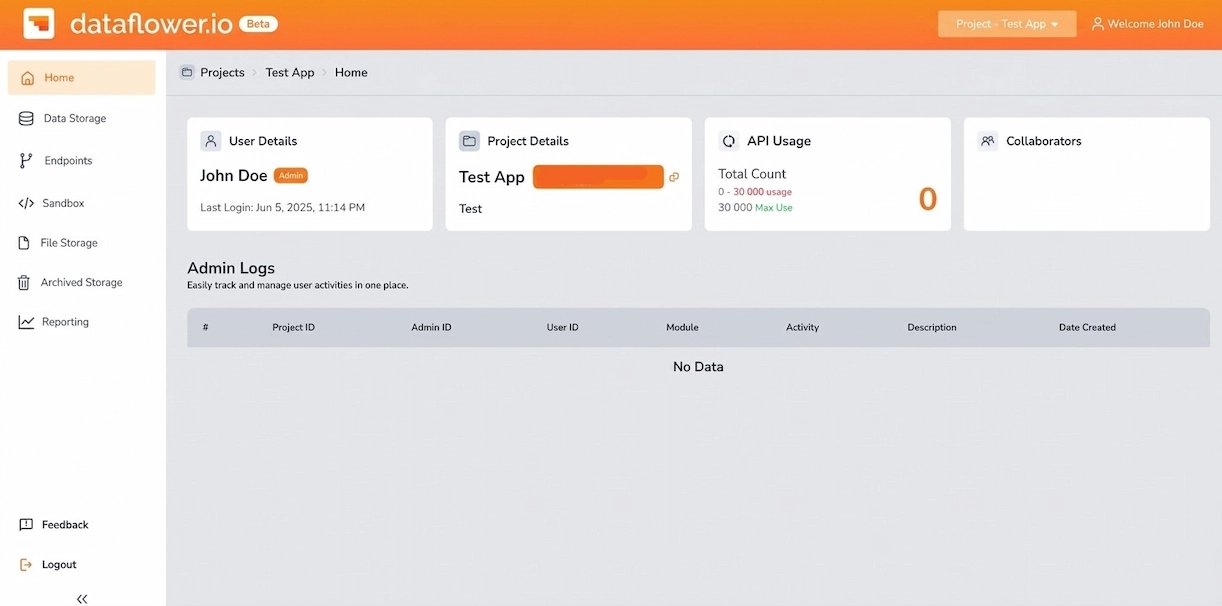
Data Flower

Our tool simplifies bug reporting with an intuitive interface for logging and prioritizing issues, enhancing collaboration and keeping projects on track.

Read More

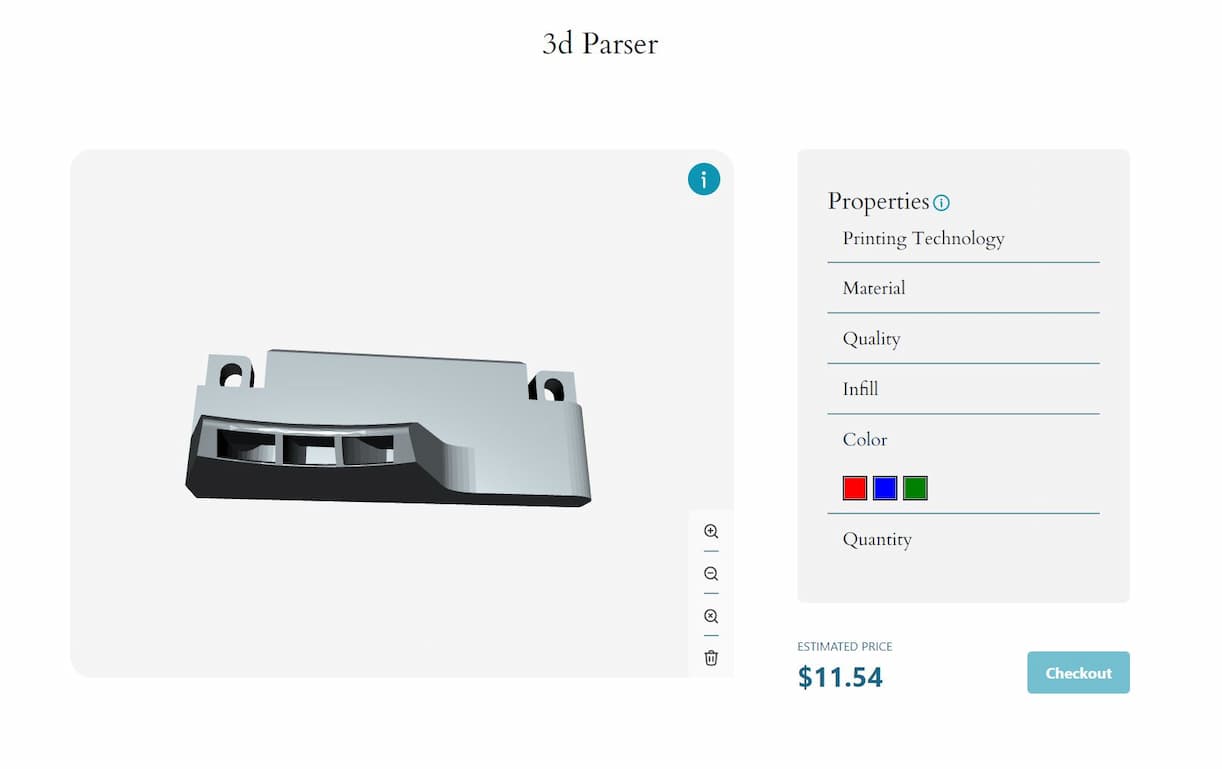
3D Print Pricing Calculator

This plugin allows users to upload STL files, connects to a third-party API to retrieve weight, cost, and other details, and displays them on your site.

Read More

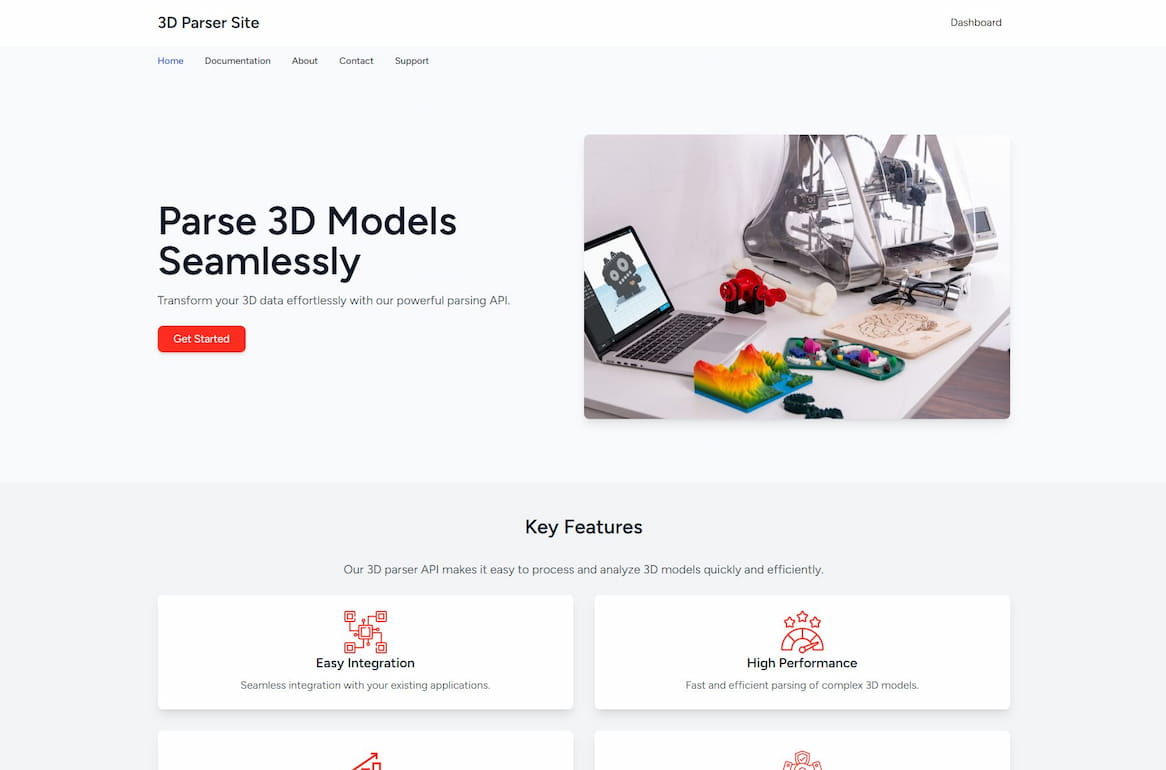
3D Parser API

Our API seamlessly integrates 3D graphics and models into your applications, enhancing projects with stunning and interactive content.

Read More

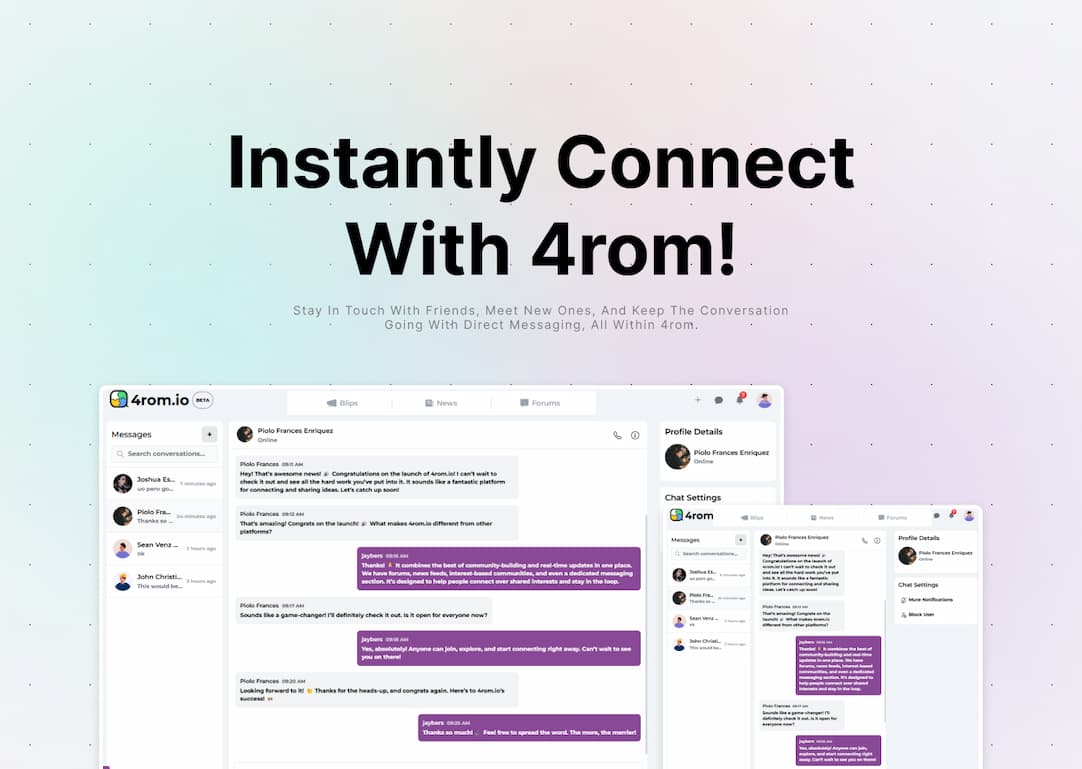
4rom

Our platform connects people effortlessly, enabling you to share, engage, and network in a secure environment.

Read More
What are you waiting for?

Reach Us out Now!

Get in Touch

WORK WITH US!

Address

odysse.io psa, Długa 29, 00-238
Warszawa, Poland

Telephone

+48 733548714
Stay Ahead with the Latest Trends

Blogs

See More
Mobile App Development – Native or Hybrid?

Mobile App Development – Native or Hybrid?

What are Native Mobile Applications Native applications are programs created specifically for a particular mobile…

Read More
What is a Headless CMS and How It Works

What is a Headless CMS and How It Works

A Headless CMS is a modern content management solution that differs from traditional platforms by…

Read More
RAG (Retrieval Augmented Generation)  – what is it and how does it work?

RAG (Retrieval Augmented Generation) – what is it and how does it work?

Introduction Large language models have moved from research labs into everyday use in business, education,…

Read More
Got Questions?

FAQ

A software house is a company that designs and develops custom software. It can build web and mobile applications, SaaS systems, e-commerce platforms, internal business tools, and AI-powered solutions. In practice, this covers the full process: from business analysis, through UX/UI design, to development and system maintenance.

Working with a technology team makes sense when:

  • you need a custom solution instead of an off-the-shelf system,
  • you're building a digital product (e.g. a startup),
  • you're scaling existing software,
  • you lack an internal IT team.

In 2026, more and more companies are choosing external teams rather than building an IT department from scratch.

Warsaw is home to the largest concentration of IT specialists, startups, and technology companies. The proximity of VC funds, R&D centers, and international corporations means local firms have experience with large-scale projects. An added benefit is the option of hybrid work — part of the team operates remotely, but on-site project meetings are possible when needed.

Yes. Poland has long been one of Europe's leaders in IT outsourcing. Many teams work for clients in the US, Germany, and Scandinavia. Key advantages include a high technical skill level, strong English proficiency, and competitive costs compared to Western Europe.

There's no single answer, as the cost depends on:

  • the scope of functionality,
  • the complexity of the backend,
  • integrations with external systems,
  • the level of security required,
  • the delivery timeline.

A simple MVP can cost tens of thousands of zlotys, while a fully-featured SaaS system may run into hundreds of thousands or more. It's always worth starting with a product workshop and estimation.

The standard process includes:

  1. Business needs analysis
  2. Workshops and MVP scope definition
  3. UX/UI design
  4. Development in sprints (Scrum / Agile)
  5. Testing and deployment
  6. Maintenance and ongoing development

Professional teams work in an iterative model, allowing the product to be developed incrementally.

In many cases, yes. Smaller companies offer:

  • direct access to the technical team,
  • greater flexibility,
  • faster decision-making,
  • lower administrative overhead.

Key factors include:

  • experience with similar projects,
  • transparent pricing,
  • project management process,
  • communication and team availability,
  • approach to data security.

It's also worth checking whether the company has experience scaling products, not just building websites.

Increasingly, yes. In 2026, a good technology partner doesn't limit themselves to writing code. They participate in:

  • idea validation,
  • roadmap planning,
  • competitive analysis,
  • infrastructure cost optimization.

Some teams — like Odysse.io — begin collaboration with strategic workshops to avoid building features the market doesn't need.

Yes, especially if you value:

  • a strong quality-to-price ratio,
  • a flexible collaboration model,
  • teams working in a timezone close to Europe.

Polish technology companies are accustomed to working with international clients and meet high security standards (GDPR, ISO, compliance).

The most commonly used are:

  • React / Next.js (frontend),
  • Node.js / Python / .NET (backend),
  • Flutter / React Native (mobile),
  • AWS / Azure / Google Cloud (infrastructure),
  • AI solutions and process automation.

Technology choices should be driven by business needs, not trends.

Yes. Maintenance includes:

  • infrastructure monitoring,
  • security updates,
  • development of new features,
  • technical support.

This is important because a digital product requires ongoing care — it doesn't end at deployment.

  • Fixed price – a fixed quote and fixed scope.
  • Time & Material – billed by the hour.
  • Dedicated Team – a team working exclusively on your project.

In 2026, the most common approach is a hybrid model that balances flexibility with budget control.

Less and less. Most teams work remotely. However, in some projects (e.g. digital transformation in a large organization), the ability to meet in person can be an advantage.

  • MVP: 2–4 months
  • Mid-sized business system: 4–8 months
  • Large platform: 8–18 months

The timeline depends on the scope of features and the number of iterations.

Collaboration typically begins with a discovery workshop, during which business goals, target audience, and MVP scope are defined. An estimation and development roadmap are then prepared. Development is carried out in sprints, with regular demos and transparent progress reporting. Clients have direct, ongoing contact with the technical team, which shortens the decision-making path and streamlines communication.

The team primarily delivers:

  • web applications and SaaS platforms,
  • internal systems that automate business processes,
  • e-commerce solutions,
  • products built on API integrations and cloud solutions.

These are often projects requiring scalable architecture and long-term development, rather than one-off deployments.

Yes. Projects are carried out for both Polish companies and international clients. The team operates in an English-speaking environment, enabling smooth collaboration on globally-scoped projects. This experience spans a wide range of business models and market standards.

Odysse.io is particularly well-suited for:

  • startups building an MVP,
  • companies planning to scale a digital product,
  • businesses that need a custom system instead of an off-the-shelf solution,

and organizations that expect a true partnership and strategic technological support. A working model built on close client collaboration means the product is developed iteratively and aligned with real market needs.